
Most customers in India already chat with businesses on WhatsApp. But when your leads, orders and follow-ups are spread across phones, notebooks and spreadsheets, things get missed.
A WhatsApp CRM puts all of this in one place. Here is what it does, and which businesses gain the most from it.
What is a WhatsApp CRM?
A CRM (customer relationship management) tool stores your customer details and tracks every interaction. A WhatsApp CRM does this directly from your WhatsApp chats.
Each customer gets a profile with their name, number, past messages, tags and notes. You can see where they are in your sales process, and send them reminders, updates and offers without searching through old chats.
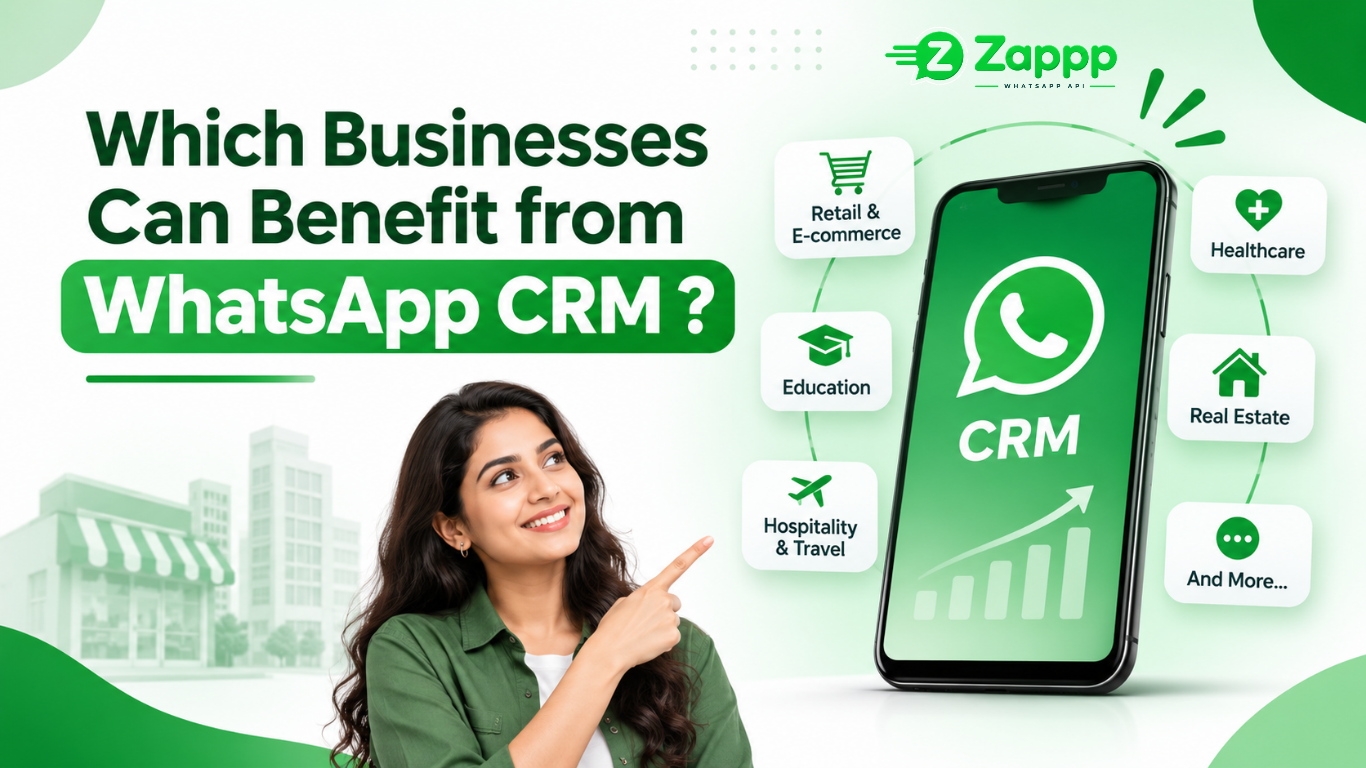
Businesses that benefit most
1. Real estate
Buyers ask about many properties over weeks. A CRM saves each person’s budget, location and site visits, so you can follow up at the right time with the right listing.
2. Education and coaching institutes
Enquiries come in all year for different courses. A CRM helps you track each student from first enquiry to admission, and send reminders about demo classes, fee dates and batch timings.
3. Clinics and wellness centres
Patients need appointment reminders, follow-up visit alerts and simple updates. A CRM sends these on time and cuts down no-shows.
4. Online stores and D2C brands
Customers want order updates, and brands want repeat sales. A CRM lets you send delivery alerts, ask for reviews and bring back customers who have not bought in a while.
5. Travel and tour companies
A trip involves many steps: enquiry, quote, booking, documents and travel dates. A CRM keeps every traveller’s details in one profile and helps you send itineraries and reminders.
6. Service businesses
Salons, repair shops, interior designers, photographers and similar businesses depend on bookings and repeat customers. A CRM helps you confirm appointments and invite people back.
7. Finance and insurance agents
Policy renewals, payment dates and document requests are easy to forget. A CRM reminds you and your customers before a deadline.
8. Restaurants and cafes
Even a small food business can use a CRM to share new menus, festival offers and booking confirmations with regular guests.
Signs your business needs a WhatsApp CRM
- You lose track of who asked for what
- Follow-ups depend on someone’s memory
- You cannot find an old chat quickly
- Many enquiries never turn into sales
- You send the same message to every customer, whether it suits them or not
If two or more of these sound familiar, a CRM will save you time and sales.
What a WhatsApp CRM helps you do
- Store customer details in one place instead of many phones
- Sort customers with tags such as new lead, interested or repeat buyer
- Send timely reminders for appointments, renewals and payments
- Send the right message to the right group instead of one message to everyone
- See your sales stages and know which leads need attention today
How to get started
- List your customer stages. For example: new enquiry, quote sent, confirmed, delivered.
- Set up simple tags. Keep them few and clear.
- Import your existing contacts so you do not start from zero.
- Prepare your common messages such as reminders, confirmations and thank-you notes.
- Get your team trained and check the results after a month.
Final thoughts
A WhatsApp CRM is useful for almost any business that talks to customers on WhatsApp and wants to follow up properly. If you answer enquiries, take bookings, or sell repeat products, it can help you remember every customer and close more sales.
Want to see how a WhatsApp CRM could work for your business? Get in touch with us, and we will guide you.